About
Work
I still don’t know what my exact job title is, and I’m okay with that.
I work on an Infrastructure Engineering team where my days can vary wildly. Sometimes I’m designing and operating distributed systems across Kubernetes, Amazon ECS, and cloud infrastructure. Other days I’m investigating unusual internet traffic, analyzing attack patterns, or building systems that help distinguish legitimate users from bots, scrapers, AI crawlers, and other forms of automated abuse.
I started my career in Site Reliability Engineering, building observability platforms and helping engineers better understand their systems. Over time, that naturally evolved into designing infrastructure that could scale reliably, recover gracefully, and survive failure. More recently, my work has shifted toward the internet itself: how traffic behaves, how services are abused, and how to keep large internet-facing platforms fast, reliable, and resilient.
What I enjoy most is that no two days are ever the same. One morning might start with a Kubernetes deployment, another with a packet capture, and another with answering why a perfectly healthy service suddenly decided it wasn’t.
Projects
Outside of work, I build things because I enjoy learning.
My largest product so far is Datespots.city, a city guide designed to help people discover great places for dates around the world. What started as a simple weekend idea gradually turned into a much larger engineering project involving multilingual content, search engine optimization, structured data, analytics, geospatial datasets, Cloudflare, automation, and far more spreadsheets than I’d like to admit.
On the infrastructure side, I built Source CIDR, a registry of official IP ranges for crawlers and bots, and the Cloud Infrastructure Map, an interactive map of cloud regions and CDN edge locations. F.R.I.D.A.Y is an open research project: Garmin health signals into a Cloudflare Worker and a public longitudinal dashboard.
I enjoy building products from the ground up, especially projects where I get to wear multiple hats: engineering, infrastructure, product, operations, and occasionally design.
Medicine
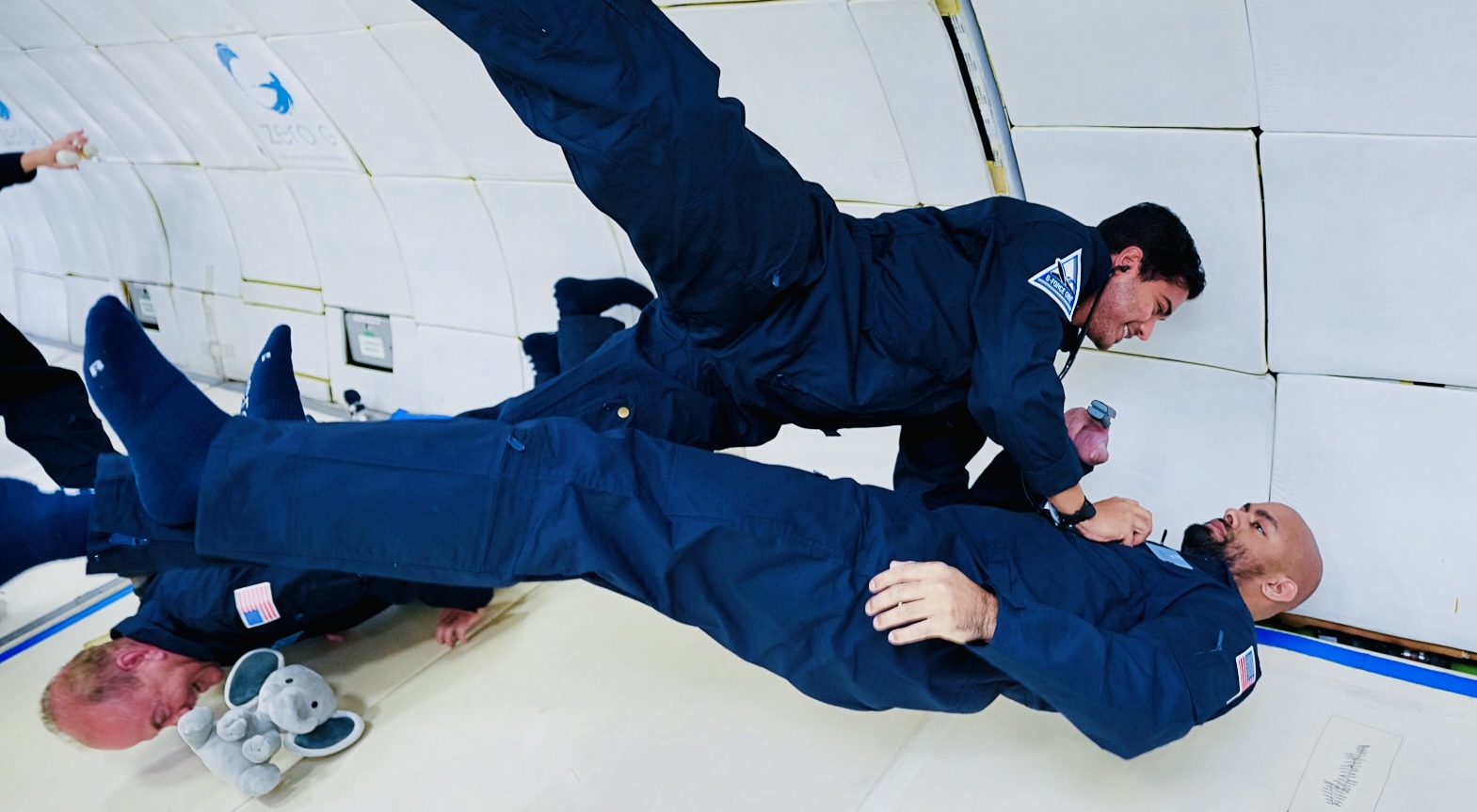
One of the more unusual parts of my background is emergency medicine.
I became a New York State EMT because I wanted to experience a completely different kind of problem-solving. I found myself drawn to the fast-paced, hands-on nature of prehospital care and even began paramedic school before deciding it wasn’t the right path for me at the time.
It was a completely different world from infrastructure engineering, but surprisingly similar in one respect: staying calm under pressure, making decisions with incomplete information, and relying on teamwork when every minute matters.
Outside of Work
When I’m away from a keyboard, you’ll usually find me running, cycling, rowing, swimming, lifting, or reading.
I’m also endlessly curious. I’ll happily disappear down a rabbit hole about aviation, emergency medicine, mountaineering, networking, history, geography, or whatever happens to catch my attention that week.
I enjoy learning simply for the sake of understanding how things work.
Education
I hold a bachelor’s degree in Computer Engineering and a master’s degree in Cybersecurity.
I speak three languages fluently and continue attempting a few more.
I’m also a firm believer in open source and sharing knowledge. Most of what I’ve learned throughout my career came from people who documented their work, published their ideas, or took the time to explain something online. This website is my small way of giving some of that back.
Engineering Philosophy
Infrastructure engineering is an interesting profession because success is mostly invisible.
Nobody notices the systems that stay online, the incidents that never happen, or the attacks that quietly get blocked. When everything works, nobody thinks about the engineering behind it, and that’s usually a good sign.
One quote has always stuck with me:
Doctors bury their mistakes. Lawyers put theirs in jail. Architects put theirs on display. Infrastructure engineers expose theirs to the world.
A single overlooked configuration, software bug, or deployment can affect millions of people within minutes. That responsibility is exactly what makes the work so rewarding.
Exhibit A: Cloudflare DNS outage (TechCrunch)
Exhibit B: Microsoft/CrowdStrike outage (NBC)
Exhibit C: How one programmer broke the internet (QZ)